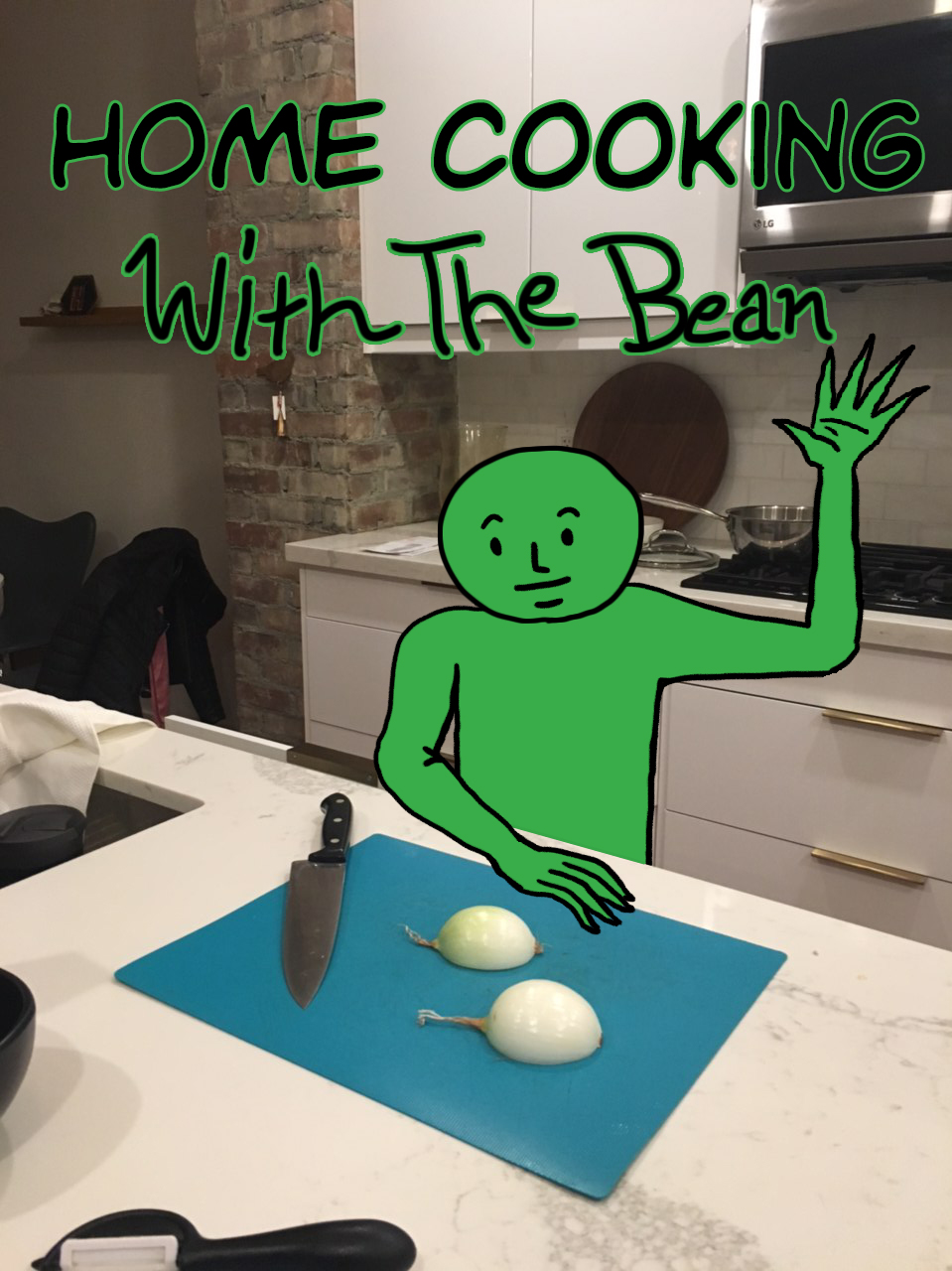
 Today’s topic is Vitamins and Minerals.
We eat em’, We need em’. But do we always get what we need?
- What are some vitamins or minerals that we may not be getting enough of in our diets living in North America?
The three most common deficiencies in north America are:
- Iron deficiency, affecting more than 25% of people worldwide (1)
- Iodine deficiency, which affects nearly one-third of the world’s population. (2)
- Vitamin D deficiency, a global problem with rates as high as about 42% in the US. It is believed that this is due to people not getting enough sunlight paired with the fact that people don’t get enough of it in their diet either. (3)
- What are some easy ways to incorporate these and other vitamins or minerals in your diet by way of foods and/or beverages?
The simple solution to getting all the required vitamins and minerals is to simply eat a well-rounded diet full of fresh vegetables and fruits. Canada’s food guide makes it easy to know how much of what you should aim to consume on any given day even with the slight variations from person to person.
Finding out what foods are rich in what is easy enough to find out as well. For example, a simple google search for vitamin D rich foods lead me to an easy way to get more vitamin D without sunlight. Simply eat more naturally grown mushrooms. Like humans, mushrooms can synthesize vitamin d when exposed to UV light making mushrooms the only plant source of vitamin D excluding fortified foods. (4)
Solutions to deficiencies don’t always need to include supplements. A well rounded diet can include everything your body needs to stay healthy.
- Is there vitamin or mineral loss when cooking vegetables?
In short, Yes. There is almost always vitamin loss when cooking foods but this does not mean that all is lost. Even when cooked, a healthy portion of vegetables can have all the vitamins and minerals you’ll need for the day. That being said, there are also some easy techniques to help you lose the least amount possible to get the most bang for your buck.
One such technique is to quickly steam vegetables instead of boiling. When boiled the nutrients of the vegetable “along with the flavor” tend to leach out into the water. When steaming, this is reduced resulting in a better tasting more flavorful vegetable.
Another technique is to simply not cook the vegetable. Mot vegetables have the most nutritional value when raw due to the fact that no nutrients are lost during cooking. This does not mean that every vegetable you eat MUST be raw to maintain a healthy diet, it only serves to promote eating raw vegetables as well as cooked to ensure you get the nutrients your body needs.
- My favorite vegetable and here are three ways you could prepare Asparagus:
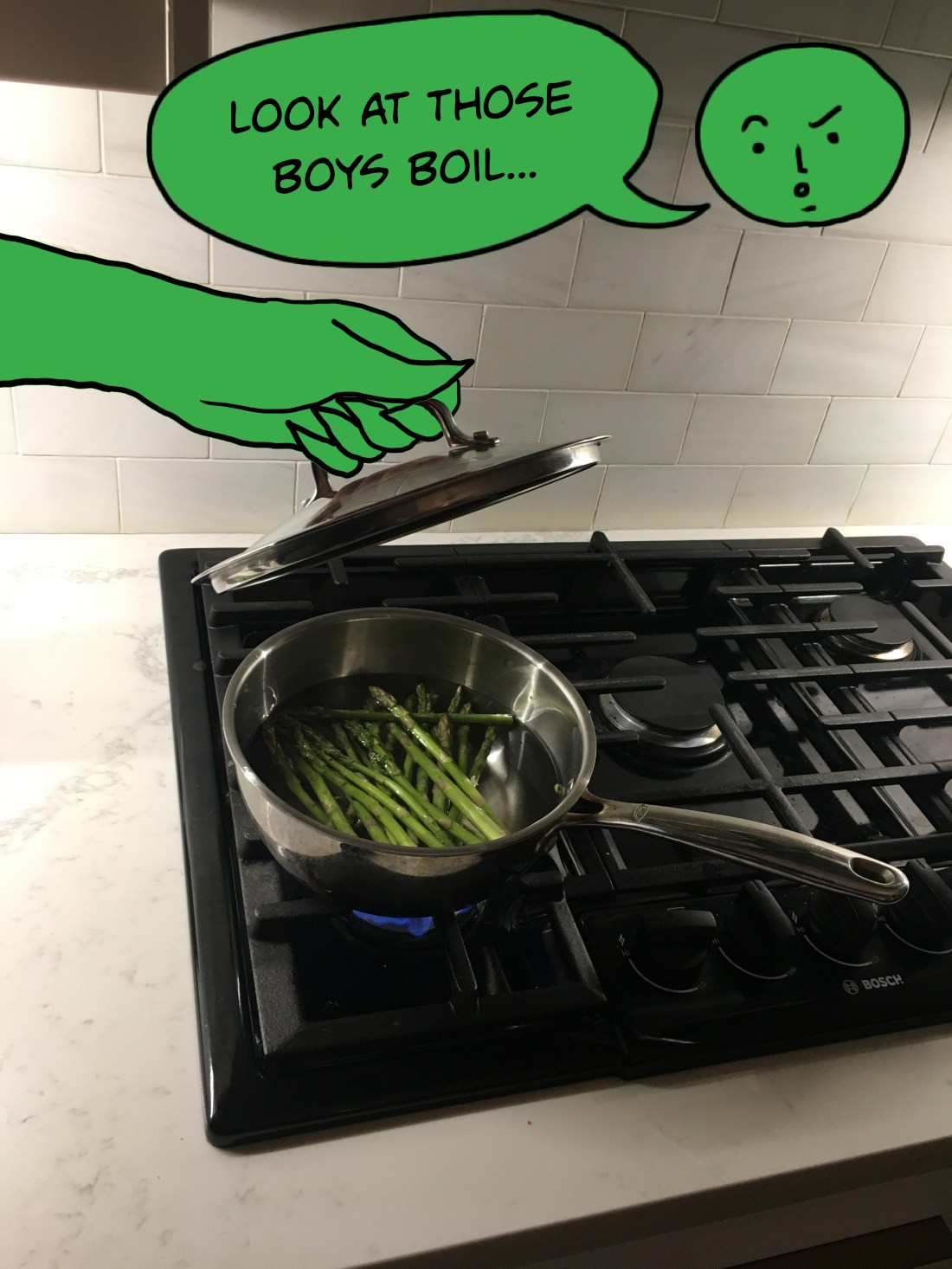
boiled, The easy way, Just toss ‘em in the pot and wait a few minutes to cook.
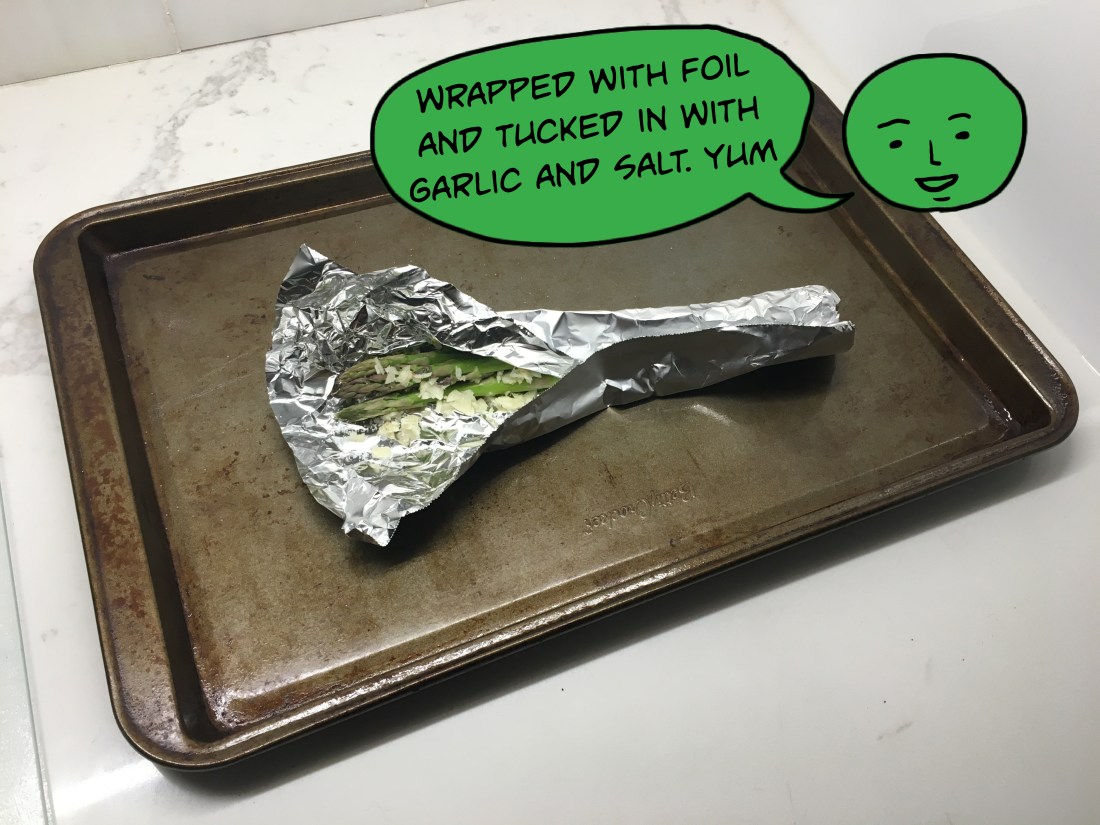
Baked, seasoned with garlic, salt and whatever spices your heart desires. Put them in on a tray or wrapped in foil and bake the bad boys for 10 minutes at 375F if you want to feel like a professional chef who is too good for steaming…
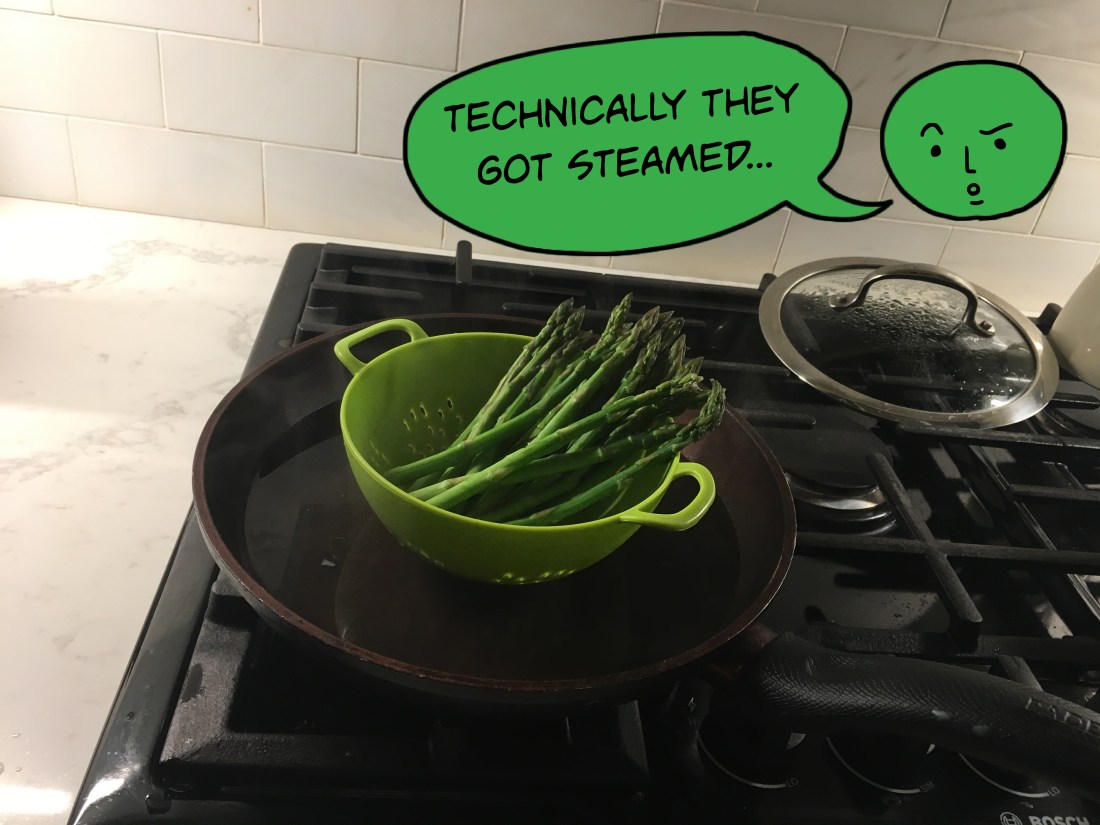
steamed,The last technique I will suggest “also my favorite way to enjoy asparagus”. Steamed with a squirt of lemon, the natural flavor of the veg paired with the bright flavor of the citrus makes a tasty combination that goes well as a side for most main dishes I have had the pleasure to eat.
Asparagus itself is quite the vegetable. It is low in calories but has an impressive nutrient content.
One half cup (90 grams) of the stuff includes all of the following when cooked:
- Calories: 20
- Protein:2 grams
- Fat:2 grams
- Fiber:8 grams
- Vitamin C: 12% of the RDI
- Vitamin A: 18% of the RDI
- Vitamin K: 57% of the RDI
- Folate: 34% of the RDI
- Potassium: 6% of the RDI
- Phosphorous: 5% of the RDI
- Vitamin E: 7% of the RDI
It even has small amounts of important micronutrients, such as iron, zinc and riboflavin (5) making it the best vegetable.
Don’t believe me? Well that’s your opinion… and seeing as this is my blog so I guess you’ll just have to deal with it.
In short, Asparagus is an excellent source of folate as well as vitamins A, C and K.
- Many Canadians are deficient in vitamin D and/or iron. Here is a simple soup recipe to help with that.
Ingredients (for green soup by The Bean)
1 cup onion (chopped)
2 cloves garlic
1 cups mushroom (sliced)
1 cup broccoli (chopped)
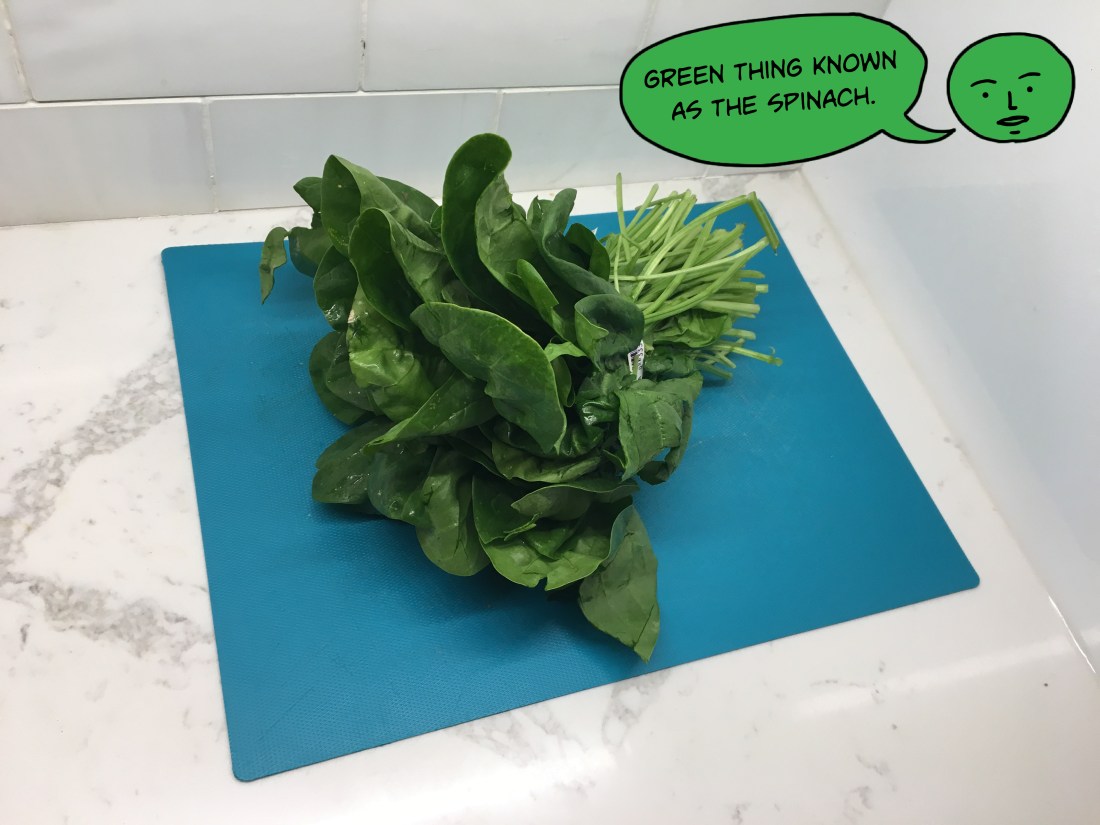
1 bunch spinach (chopped)
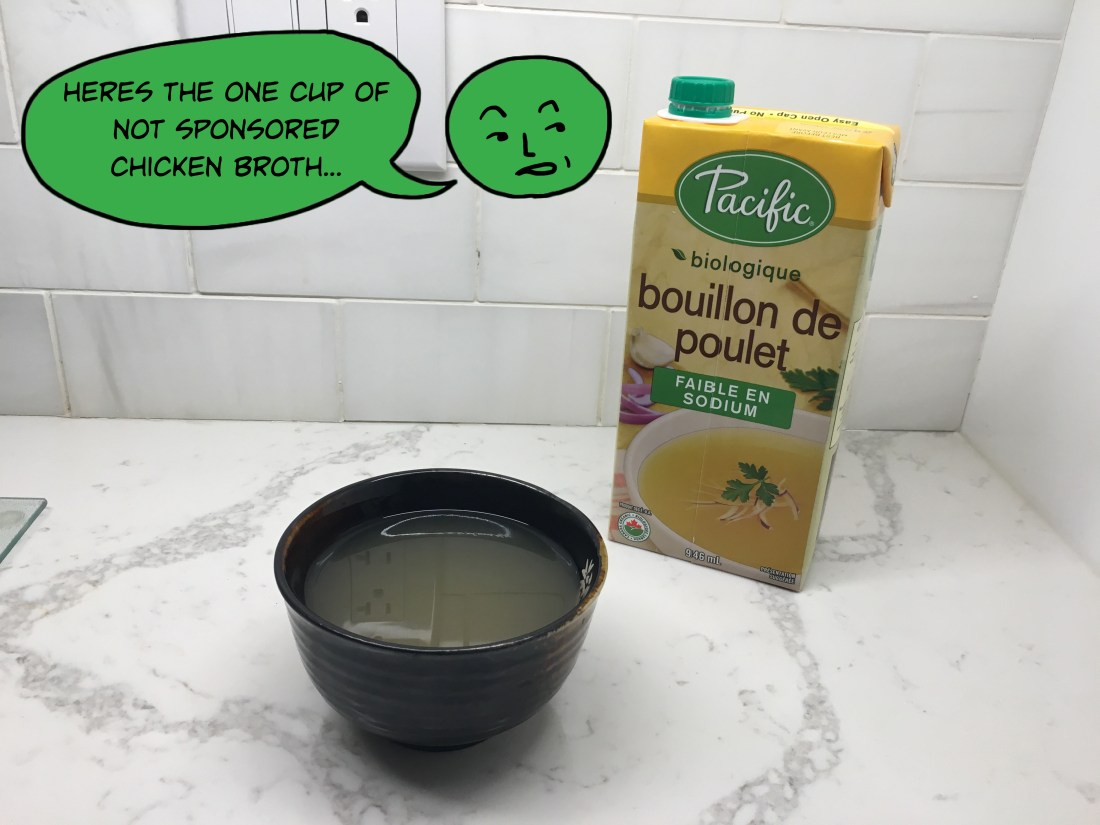
1 cup chicken broth
Salt and pepper to taste
and an optional Small amount of cream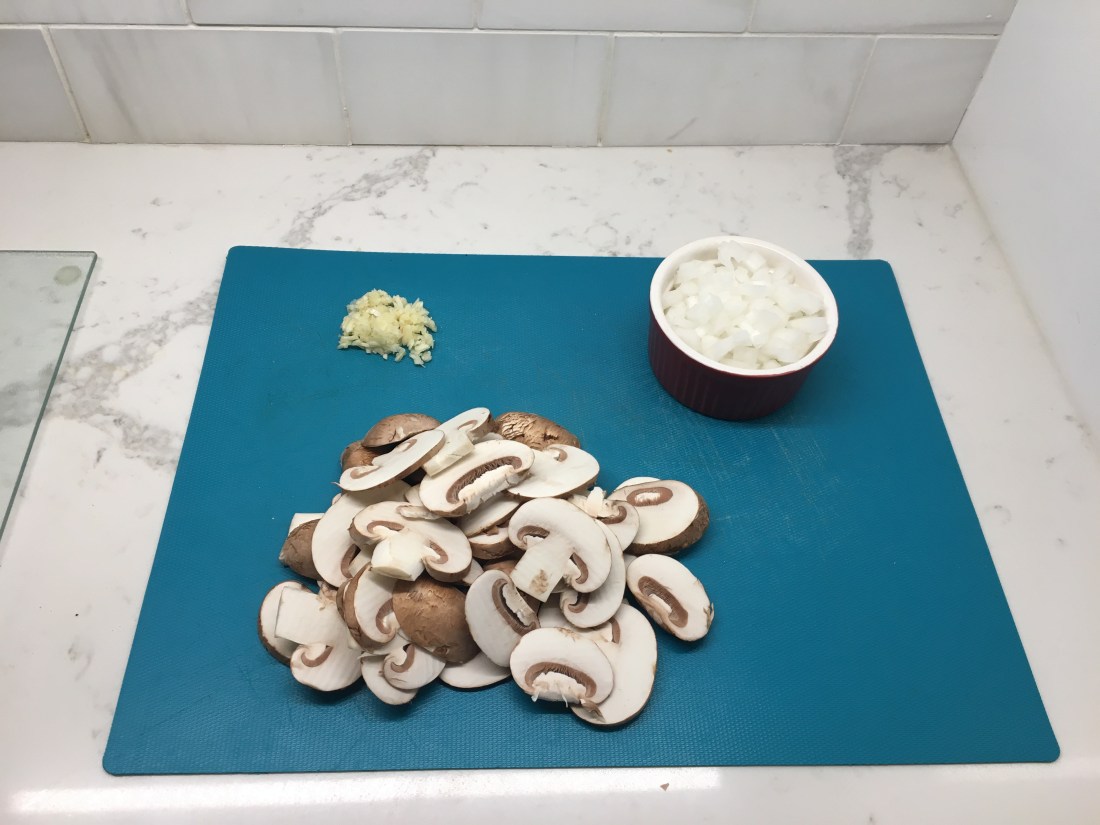
- Sweat onions, adding garlic, and mushrooms when the onions are partially cooked.
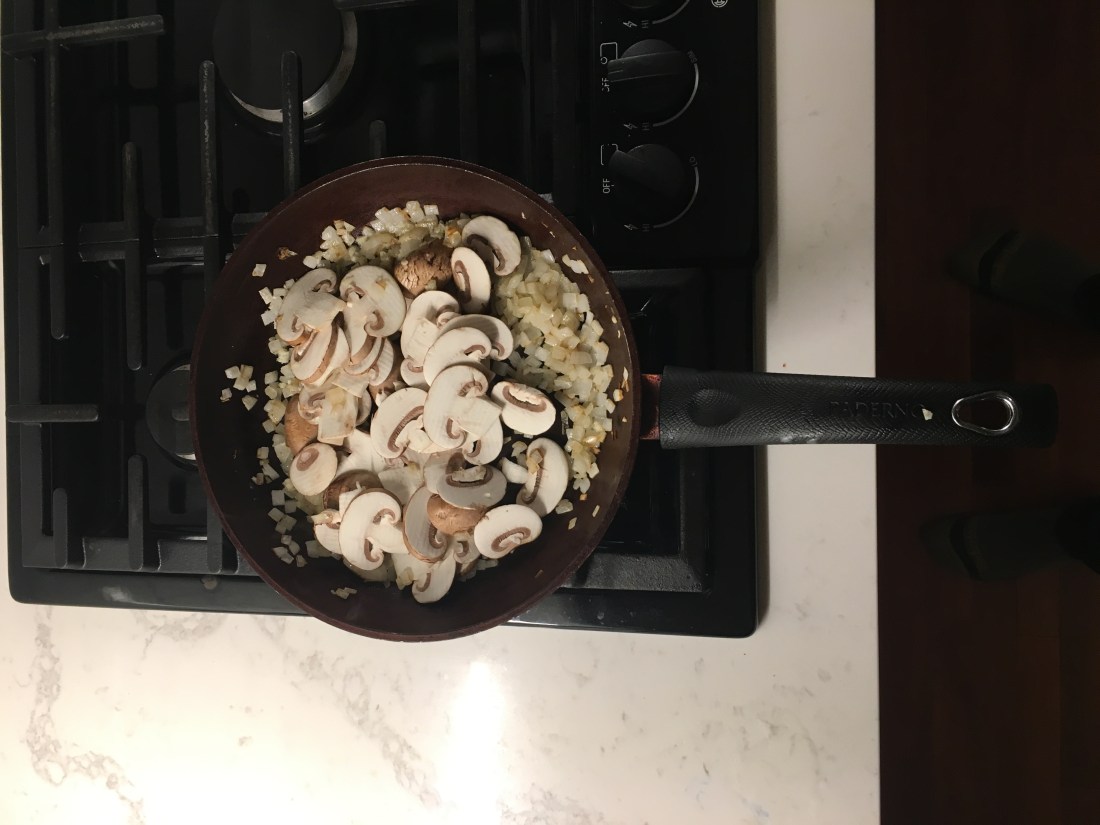
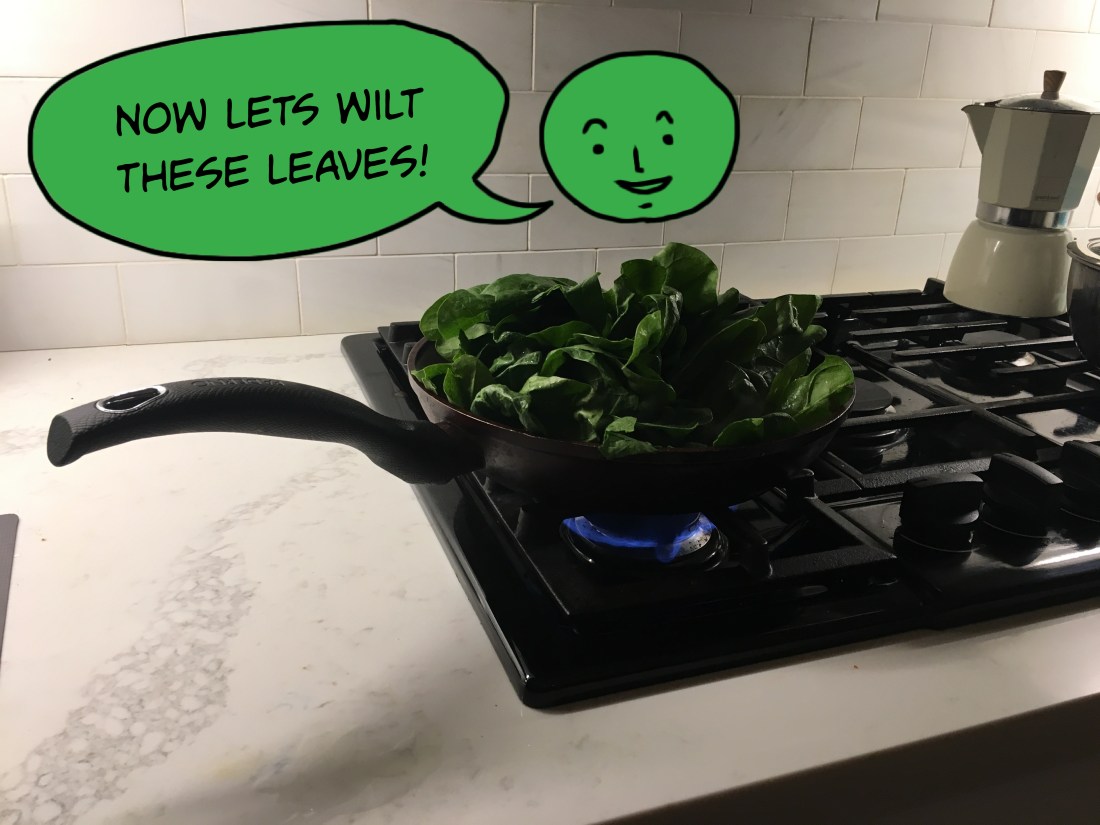
- Add the spinach until wilted then set aside.
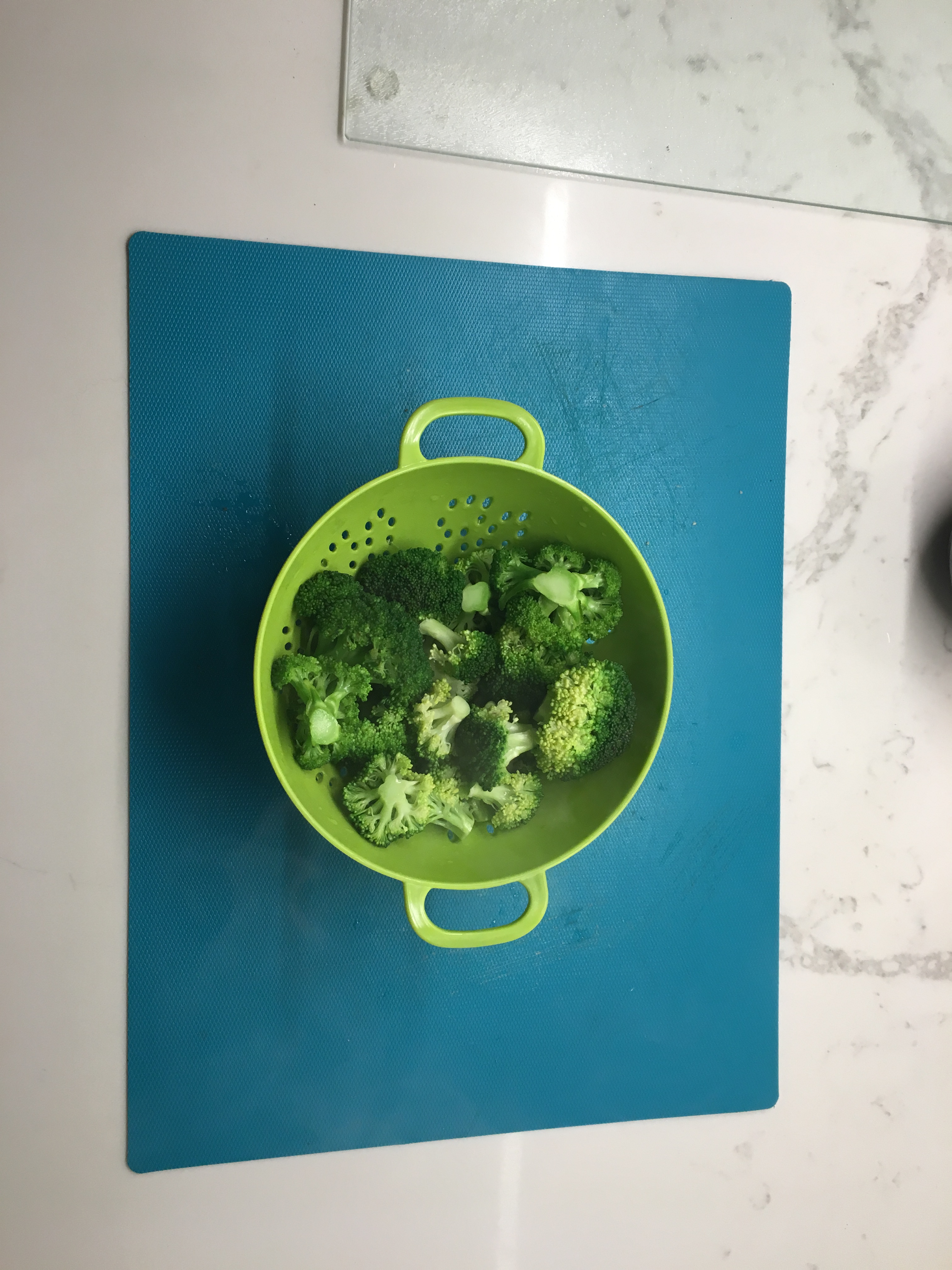
- Lightly steam the choppen broccoli and let cool as well.
- Once cool, puree the onion, garlic, mushroom, and spinach with the steamed broccoli.
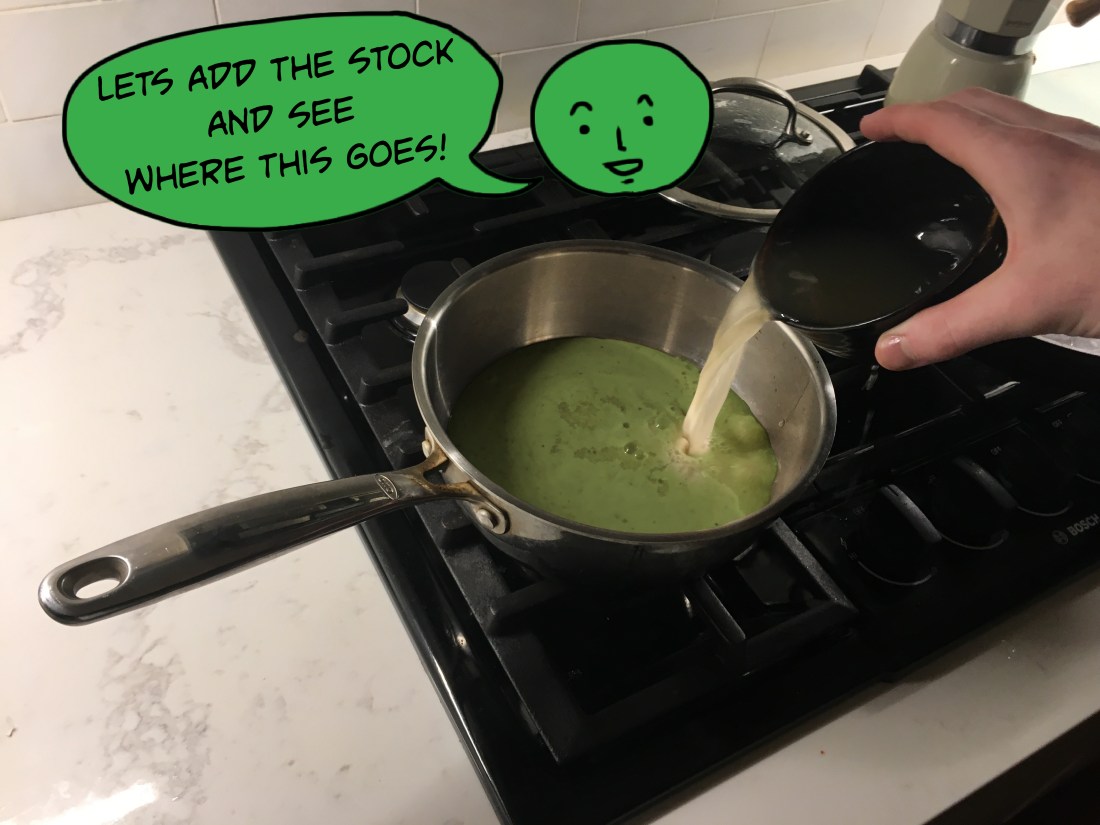
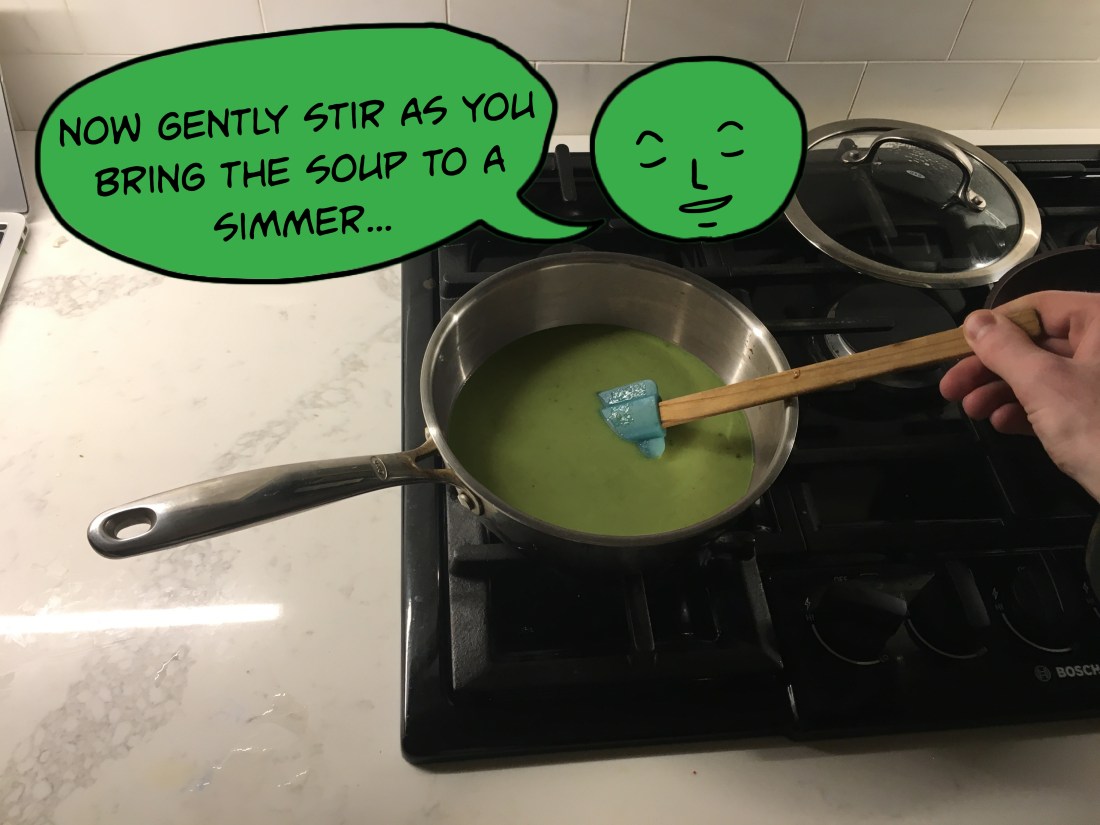
- Pour the puree into a stock pot and add the chicken broth “vegetable broth works as well” and bring to a simmer for about 5 minutes. “season the soup with salt and pepper to taste”
- Serve the soup hot with a small dollop of sour cream on top for that extra fancy effect and enjoy your meal knowing you are getting both a healthy dose of Iron AND vitamin D.
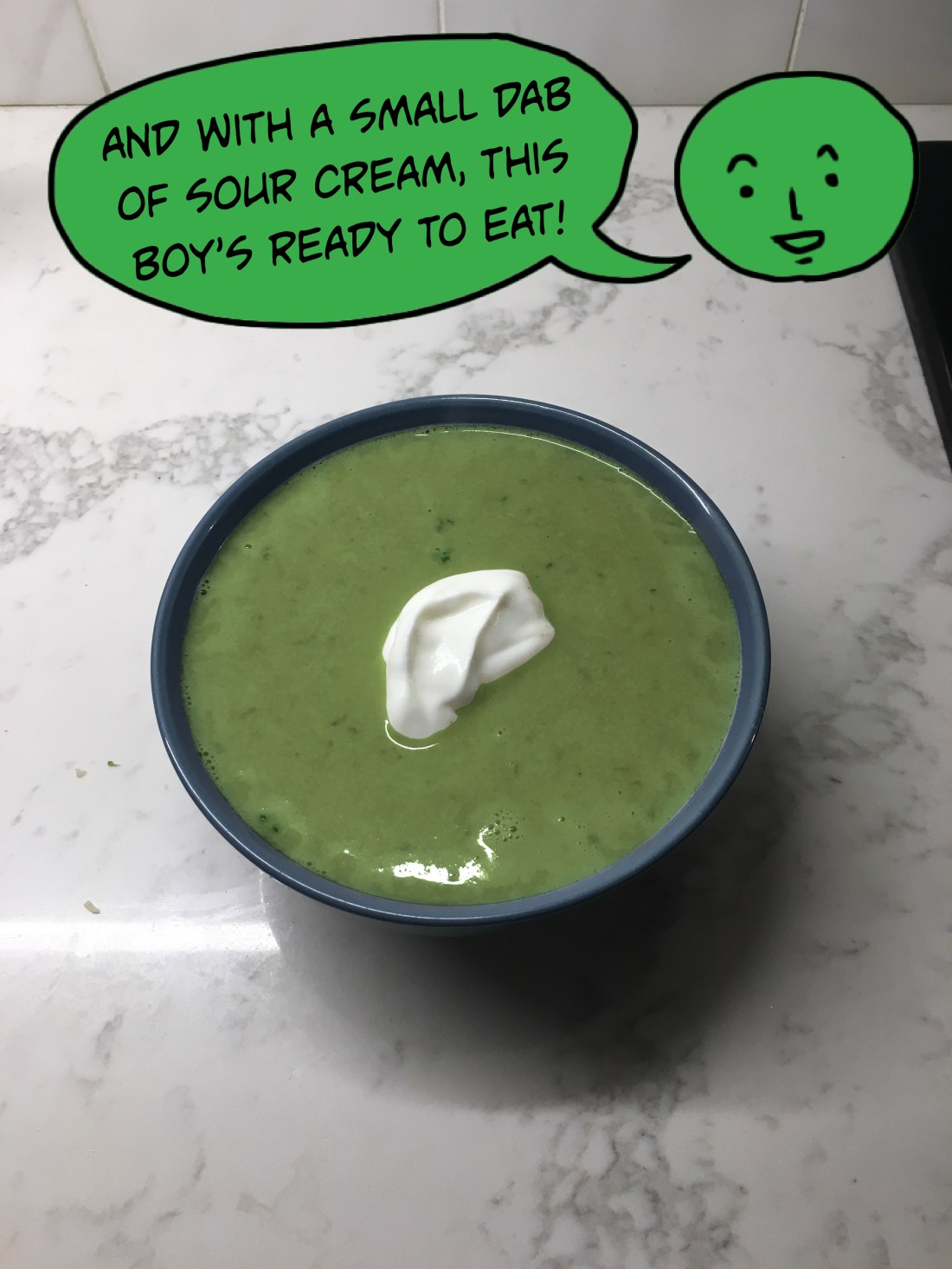
And as always…
- McLean, E., Cogswell, M., Egli, I., Wojdyla, D., & De, B. (2009, April). Worldwide prevalence of anaemia, WHO Vitamin and Mineral Nutrition Information System, 1993-2005. Retrieved from https://www.ncbi.nlm.nih.gov/pubmed/18498676
- Pearce, E. N., Andersson, M., & Zimmermann, M. B. (2013, May). Global iodine nutrition: Where do we stand in 2013? Retrieved from https://www.ncbi.nlm.nih.gov/pubmed/23472655
- Haq, A., Svobodová, J., Imran, S., Stanford, C., & Razzaque, M. S. (2016, November). Vitamin D deficiency: A single centre analysis of patients from 136 countries. Retrieved from https://www.ncbi.nlm.nih.gov/pubmed/26877203
- Simon, R. R., Borzelleca, J. F., DeLuca, H. F., & Weaver, C. M. (2013, June). Safety assessment of the post-harvest treatment of button mushrooms (Agaricus bisporus) using ultraviolet light. Retrieved from https://www.ncbi.nlm.nih.gov/pubmed/23485617
- Asparagus, cooked, boiled, drained Nutrition Facts & Calories. (n.d.). Retrieved from https://nutritiondata.self.com/facts/vegetables-and-vegetable-products/2312/

 SARB
SARB 